
How Does Ventilation Work in Your Home and Why Does It Matter?
Ventilation helps remove moisture and stale air from your home. Learn what trickle vents and extractor fans do, how ventilation connects with condensation and what to record if something seems wrong.
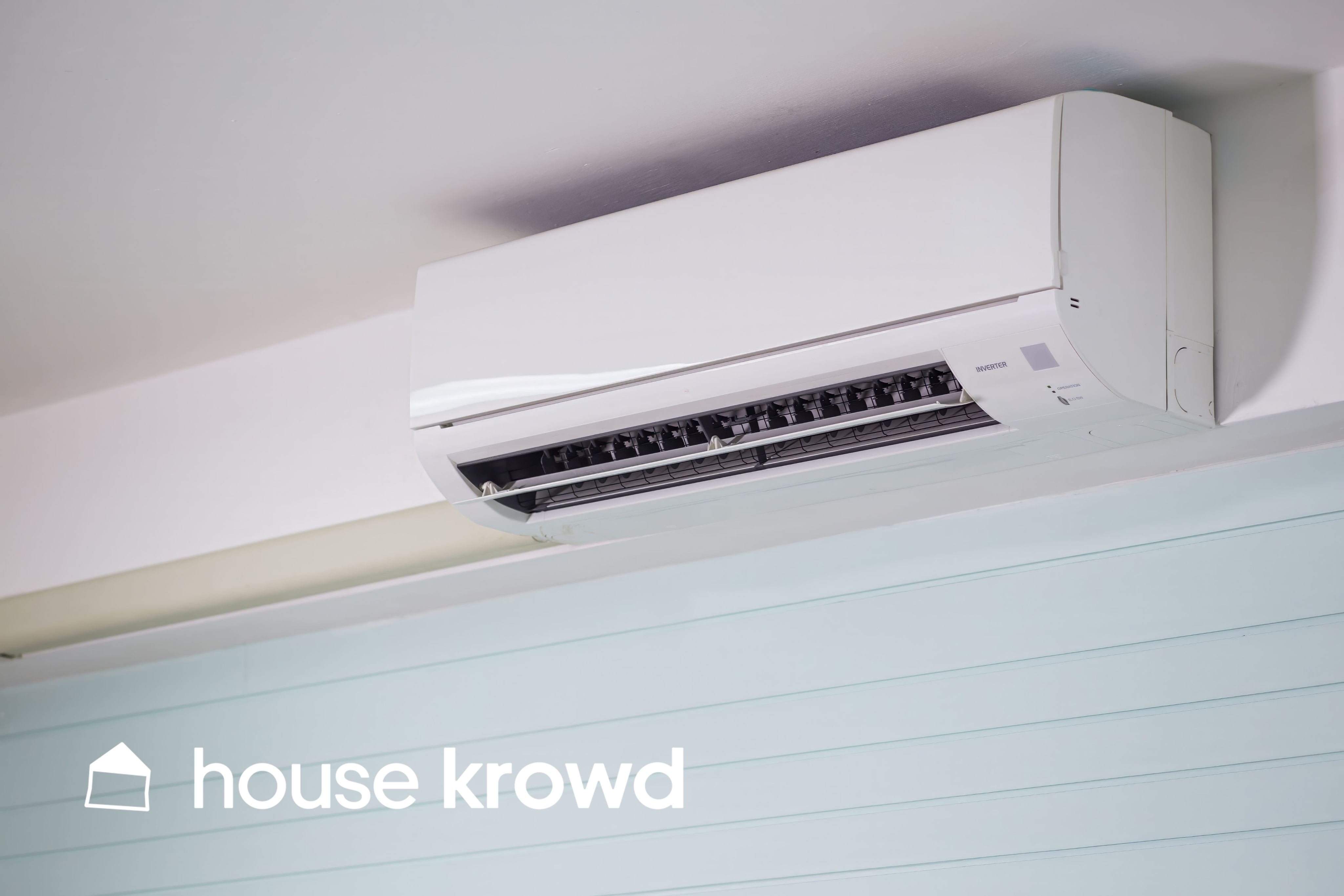
Ventilation is easy to overlook because much of it works quietly in the background. But the way fresh air enters your home and moisture leaves it can affect comfort, condensation, mould and the overall condition of the property.
It is also more than simply opening a window.
Your home may have trickle vents, extractor fans, air vents or a whole-home mechanical ventilation system. Understanding what is fitted, what it is supposed to do and what you can observe when something does not seem right is another useful part of knowing your home.
This guide explains the basics without expecting you to diagnose a ventilation system yourself.
What does ventilation actually do?
Ventilation is the exchange of fresh outdoor air with stale indoor air and moisture.
Everyday activities such as cooking, showering, washing clothes and even breathing add moisture to the air inside a home. Cooking, cleaning products and other household activities can also add pollutants to indoor air.
Effective ventilation helps that moisture and stale air leave the property and allows fresh air in.
When ventilation is inadequate, moisture can become trapped. On colder surfaces it can turn into condensation, which can contribute to damp and mould growth.
Ventilation is only one part of the picture, however. Persistent condensation or mould can have more than one cause, including heating problems, insulation, cold surfaces, leaks or defects in the property. It is important not to assume that opening a window will solve every damp or mould problem.
If you are already dealing with damp or mould, read our guide: Damp and Mould in a Rented Home: What Should You Do?
How does air move through your home?
Homes can be ventilated in different ways.
Fresh air may enter through features such as windows, trickle vents or other background ventilators. Moist air may be removed through extractor fans in kitchens and bathrooms or through a mechanical ventilation system serving more of the home.
Some older properties may also have relied partly on gaps and cracks around the building for air movement. Energy-efficiency improvements can make a property more airtight, which is one reason ventilation needs to be considered when windows, insulation or other parts of the building are upgraded.
The exact system varies from home to home. If your property has a mechanical ventilation system, follow the manufacturer's instructions for operating and maintaining it rather than assuming it works like a standard extractor fan.
What are trickle vents?
Trickle vents are small, controllable openings often fitted at the top of windows. They provide background ventilation without requiring the whole window to be left open.
They can be particularly important when newer or replacement windows are more airtight than the windows they replaced.
Government guidance for existing homes says trickle vents should be left open and unblocked, including during winter, so that they can provide the ventilation they are designed for.
If you have trickle vents, it is worth knowing:
- which windows have them
- whether they open and close properly
- whether they appear blocked, covered or damaged
- whether windows have previously been replaced
Do not permanently alter or block ventilation features if you are unsure what they are for.
Should you leave trickle vents open in winter?
Generally, yes.
Current government ventilation guidance says trickle vents should remain open and unblocked even in winter. They are designed to provide a controlled amount of background ventilation.
It can feel counterintuitive to let outdoor air into a home while paying to heat it, but completely blocking intended ventilation can allow moisture and indoor pollutants to build up.
This does not mean your home should feel excessively cold. If a room is unusually cold, difficult to heat or affected by persistent draughts, there may be other property factors worth investigating rather than simply closing every vent.
Our guide to why one room may be colder than the others explains what to record about heating, draughts and cold surfaces without assuming ventilation is the cause.
What does an extractor fan do?
Extractor fans are commonly used in kitchens and bathrooms, where activities such as cooking, showering and bathing produce a lot of moisture.
Their job is to remove moist air from the room. In many homes that air is extracted to the outside or into a central ventilation system.
A fan should not automatically be judged by how loud it sounds. What matters is whether the ventilation system is appropriate for the property and operating as intended.
Keep accessible fan covers clean in line with the manufacturer's guidance, but do not dismantle electrical or mechanical equipment yourself if you are not qualified to do so.
Why might an extractor fan keep running?
A fan continuing to run after you switch off a bathroom light is not necessarily faulty.
Some fans have an overrun timer so they continue removing moisture for a period after the light is turned off. Others are controlled by humidity and may switch on or continue running when moisture levels rise.
Some homes have continuous mechanical ventilation systems designed to operate at a low level for much longer periods.
If a fan behaves differently from usual, stops working, makes unusual noises or you are unsure how it should operate, check any instructions you have for the system. If you rent and cannot establish whether it is working properly, report what you are observing to your landlord or housing provider rather than trying to repair it yourself.
What are the signs that ventilation might not be working properly?
There is no single sign that proves a ventilation system is inadequate, but observations can provide useful clues.
Things worth noting include:
- persistent condensation, particularly when it repeatedly appears in the same room
- recurring mould or damp patches
- an extractor fan that no longer operates
- damaged, covered or blocked ventilation openings
- stale or persistently humid-feeling rooms
- a noticeable change after windows, insulation or other work to the property
These are signals worth investigating, not a diagnosis. Condensation, mould and cold rooms can have several causes, so the wider condition and history of the property matter too.
What is the connection between ventilation, condensation and mould?
Warm indoor air can contain moisture. When that moisture meets a sufficiently cold surface, it can condense into water.
Ventilation helps remove moisture from indoor air, which can reduce the amount available to form condensation. This is particularly important in kitchens and bathrooms, where moisture production can be high.
But persistent condensation should not automatically be treated as a resident behaviour problem.
Government guidance for rented housing providers says damp and mould may have more than one cause. Relevant property factors can include inadequate ventilation, damaged or switched-off mechanical ventilation, low insulation levels, cold internal wall temperatures and ineffective heating systems.
If mould keeps returning, simply cleaning the visible surface does not necessarily address why it is happening.
Understanding where the problem occurs, how often it returns and what else is happening in that part of the home can provide much better context.
If moisture keeps appearing on your windows, our guide to why condensation keeps forming on windows explains the difference between inside, outside and between-pane moisture, and what to record.
Can insulation and new windows affect ventilation?
Yes, which is why ventilation and energy efficiency need to be considered together.
Older homes can lose air through gaps and cracks. Improvements such as replacement windows or other energy-efficiency work may make the building more airtight.
That can be beneficial for reducing uncontrolled heat loss, but the home still needs suitable ventilation.
Government guidance says ventilation should not be made worse when energy-efficiency measures are installed. Replacement windows may therefore need background ventilation such as trickle vents where useful ventilation would otherwise be lost.
This is a good example of why looking at one property feature in isolation can be misleading. Heating, insulation, ventilation, windows and the way rooms perform can all interact.
You can explore that wider picture in Why Does Your Home Use More Energy Than You Expect? and What Can Your EPC Tell You About Your Home?.
If energy-efficiency improvements are being considered, our ECO4 guide also explains the current scheme and what residents should know before seeking support.
What should you record if something does not seem right?
You do not need to diagnose the cause yourself. Instead, record what you can actually observe.
Useful information can include:
- which room is affected
- where condensation, damp or mould appears
- dates and times when you notice the problem
- photographs showing what you can see
- whether an extractor fan appears to switch on
- whether its behaviour has changed
- whether trickle vents or other vents are present and appear damaged or blocked
- whether the issue keeps returning
- any previous repairs, inspections or ventilation work
- whether windows, insulation or heating have recently been changed
A clear record can help show how the issue develops over time and give your landlord or housing provider better information to investigate.
For more on documenting property problems, read What Evidence Should You Keep for Housing Repairs?.
When should you report a ventilation problem to your landlord?
If you rent your home, report problems such as a broken extractor fan, damaged ventilation, persistent condensation or recurring damp and mould rather than assuming you need to solve the underlying cause yourself.
Describe what is happening clearly and include photographs where they help.
If an issue returns after previous work, report that too. Previous repairs and inspections can be important context when trying to understand a recurring problem.
Our guide How to Report a Repair to Your Landlord explains how to make a clear repair report and keep a record of what happens next.
Know Your Home: ventilation is part of the property picture
Ventilation is one part of how a home performs.
Windows, heating, insulation, room temperatures, repairs, energy-efficiency work and the way moisture moves through the property can all provide useful context.
A single observation may not tell you the cause of a problem. A history of clear observations can tell you much more.
At House Krowd, Know Your Home is about helping residents understand and record useful information about their homes over time, while creating clearer context that can also support landlords and the organisations responsible for looking after properties.
If something changes in your home, record what you can see, when it happens and whether it has happened before. Use your House Krowd account to keep these observations, photographs and repair updates together, and report repair concerns through your landlord's usual channel too.
You can also read What Can the History of Your Home Tell You? to see why changes and events around a property become more useful when they are understood as part of a wider history.
Important: This guide provides general information about home ventilation and rented housing in England. Different homes use different ventilation systems. Follow the manufacturer's instructions for equipment in your property and seek appropriate professional or landlord support where a system needs inspection or repair.