
Why Is One Room in My Home Colder Than the Others?
One room always colder than the rest of your home? Learn what can affect room temperature, what to look for and what information is useful to keep.
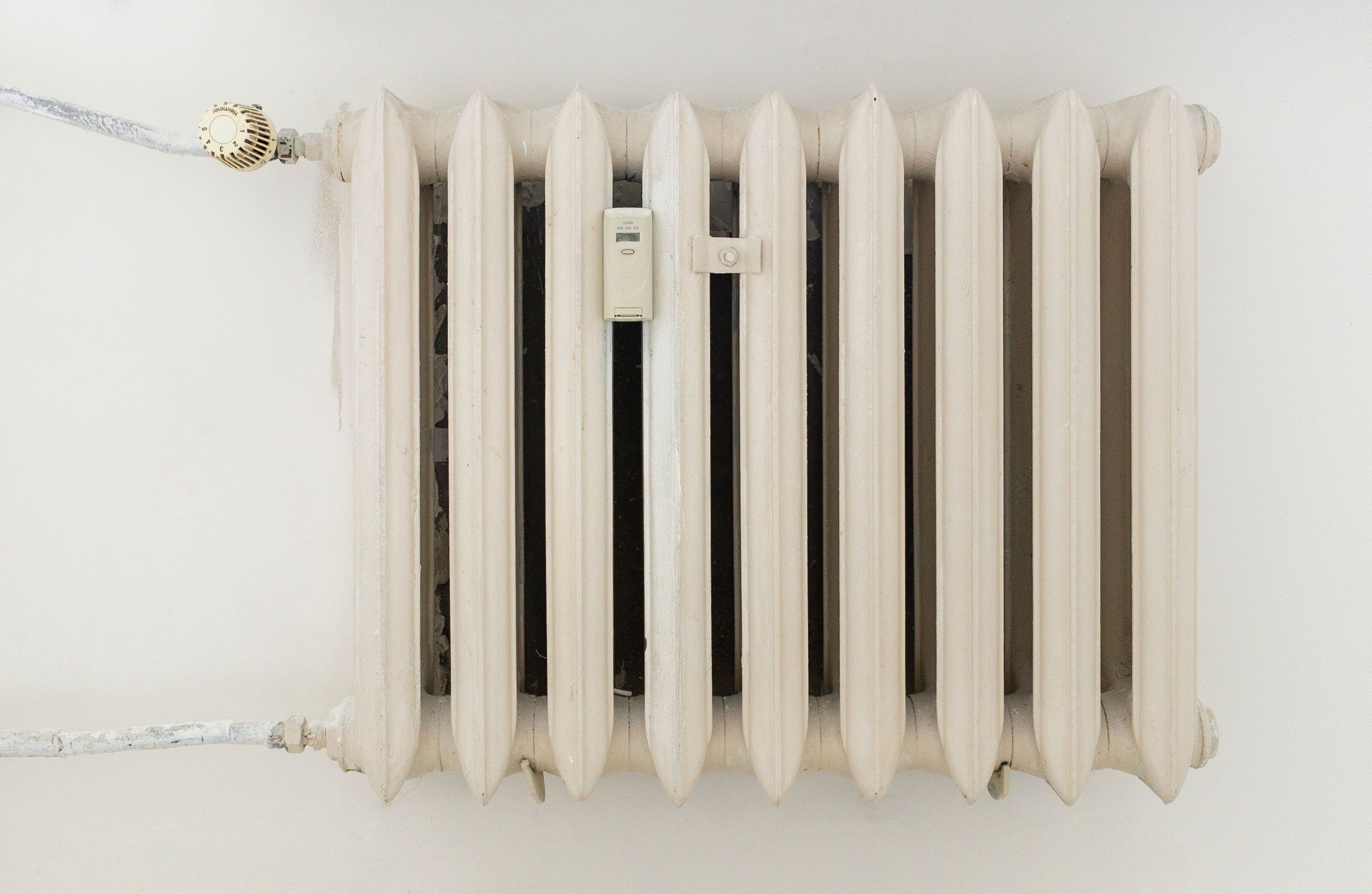
If one room in your home always feels colder than the others, it can be difficult to know why.
It might take longer to warm up, feel noticeably colder near a window or wall, or become chilly again soon after the heating switches off. Sometimes the difference is small. In other homes, one bedroom, living room or other space can feel completely different from the rest of the property.
There is not always one simple explanation. The room itself, its position in the building, insulation, windows and doors, the heating system and ventilation can all affect how warm it feels.
You do not need to diagnose the cause yourself. But noticing where, when and how the room feels different can help build a much clearer picture of what may need investigating.
One room colder than the others? Start with these checks
Common explanations include heat loss through walls, windows or floors, unwanted draughts, differences in heating and the room's position in the building. More than one factor may be involved.
Start by noting:
- Heating: does the room warm up when the heating is on?
- Heat loss: does it warm up, then cool much faster than other rooms?
- Draughts: is it worse near a window or door, or on windy days?
- Cold surfaces: is one wall, floor or corner noticeably colder?
- Moisture: is there condensation, damp or mould in the same area?
- Changes: did this start after a repair, new windows or heating work?
Keep intended ventilation open and report persistent problems if you rent. You do not need to identify the technical cause before asking for help.
Start with what is different about the room
When one room feels colder, it can help to compare it with the rest of your home.
Ask simple questions. Does the room have more outside-facing walls? Is it above a garage, passageway or other unheated space? Does it have a larger window? Is it at the top of the property? Does it feel cold all day, or mainly when it is windy? Does it warm up normally and then cool down much faster than other rooms?
These observations do not tell you the cause on their own, but they can help identify a pattern.
This is a good example of why what you know about your home matters. Someone living in a property experiences how it behaves throughout the day, across different weather and over different seasons.
Could the room be losing heat more quickly?
Heat naturally moves from warmer areas towards colder ones, so every home loses some heat.
How quickly an individual room loses heat can depend on the building fabric around it. External walls, roofs, floors, windows and doors can all form part of the picture.
A room with more surfaces exposed to the outside may behave differently from a more sheltered room in the middle of a property. Differences in insulation or glazing can matter too.
That means two rooms receiving similar amounts of heating do not necessarily stay at the same temperature for the same amount of time.
One useful observation is whether the room struggles to get warm in the first place or whether it gets warm but becomes cold again unusually quickly. Those are different experiences and are worth recording.
Could insulation make one room colder?
Potentially.
Insulation is intended to reduce heat loss through parts of the building such as roofs, walls and floors. But insulation is not necessarily identical throughout every part of a property.
Government damp and mould guidance identifies low levels of loft or wall insulation, low internal wall temperatures and particular cold spots as factors that may need consideration. It also notes that cold spots can occur where there are gaps in insulation.
That does not mean a cold room automatically has an insulation problem. A resident generally cannot tell what is happening inside a wall simply by touching it.
Instead, record what you experience. For example, is one particular wall consistently much colder? Does the problem affect the whole room or mainly one area? Has the room always behaved this way, or is it something that has changed?
Your home's Energy Performance Certificate may also contain useful information about recorded insulation and energy-efficiency features. Our guide to what your EPC can tell you about your home explains how to use it as one part of the picture.
What about windows, doors and draughts?
A room can feel colder because unwanted outside air is entering through gaps.
Draughts can occur around windows, doors, floorboards and other gaps in the building. Energy Saving Trust distinguishes these uncontrolled draughts from ventilation, which is the deliberate movement of air needed to help keep a home healthy.
If you notice that a room feels much colder on windy days, hear whistling or rattling around a window, or repeatedly feel moving cold air in one particular place, that information may be useful.
But do not simply seal every source of airflow.
Extractor fans, trickle vents, air bricks and other ventilation can have an important purpose. Blocking necessary ventilation can contribute to poor indoor air quality and moisture problems.
Could the heating be part of the problem?
Yes, particularly if the room does not warm in the same way as other rooms.
Think about what happens when the heating comes on. Does the radiator or other heat source become warm? Does the entire radiator heat evenly? Does the room take significantly longer to become comfortable? Has its heating performance changed recently?
If you have instructions for your heating controls, check whether the room's radiator valve or controller is set differently from the others. Note any error messages or changes in performance. Do not dismantle heating equipment or attempt gas or electrical repairs yourself; ask your landlord or an appropriately qualified professional to investigate.
The heating system itself is only one part of the picture. The size of the room, the amount of heat being supplied and how quickly the room loses that heat all interact.
This is why a cold room should not automatically be treated as either a "heating problem" or an "insulation problem" without enough information.
Our article on why your home may use more energy than you expect looks more broadly at how heating, insulation, occupancy, weather and the property itself can affect energy use.
Why does the position of a room matter?
Not every room in a home experiences the same conditions.
A corner room may have two external walls rather than one. A room at the top of a building may sit beneath a roof or loft. A ground-floor room may be above an unheated space. One side of a property may receive more sun, while another may be more exposed to wind.
The size and position of windows can also make a difference.
None of these things automatically means there is something wrong with the property. But they help explain why looking at the individual room, rather than only the average temperature of the home, can be useful.
What if the colder room also has condensation or mould?
This is particularly worth recording.
Condensation can form when moisture in the air meets a cold surface. Government guidance recognises low internal wall temperatures, inadequate heating, insulation issues and ventilation problems among the factors that can contribute to damp and mould.
However, damp and mould can have several causes, including leaks and defects, and residents should not be expected to diagnose the underlying cause themselves.
If you notice condensation, damp or mould in the colder room, take photographs, record where it appears and note whether it changes over time.
Our guide to damp and mould in a rented home explains what to record and how to report the problem.
Draughts and ventilation are not the same thing
This distinction is important.
A draught is unwanted, uncontrolled airflow through gaps and cracks. Ventilation is intentional airflow designed to bring fresh air into a home and help remove moisture and pollutants.
Energy Saving Trust advises against blocking ventilation such as extractor fans, wall vents, air bricks and trickle vents simply to make a room feel warmer.
A home needs to retain heat and have appropriate ventilation. Treating every movement of air as something that should be sealed can create different problems.
If you are unsure whether something is a draught or part of the property's ventilation, record where you notice it rather than making permanent changes without understanding its purpose.
For more on trickle vents, extractor fans and the role of fresh air, read How Does Ventilation Work in Your Home and Why Does It Matter?.
What information is useful to keep?
You do not need specialist equipment to start building a useful record.
You might note:
- which room feels colder
- which parts of the room feel coldest
- whether it happens all the time or only in certain weather
- whether the room warms when the heating is on
- how quickly it seems to cool afterwards
- whether you notice draughts
- whether windows show frequent condensation
- whether damp or mould is present
- whether anything recently changed, such as heating work, new windows, insulation or another repair
- whether the problem has happened in previous winters
If you already have a room thermometer, you can note readings alongside the date, time, weather and whether the heating was on. Compare rooms under similar conditions and keep the thermometer away from direct heat or sunlight. Readings can add context, but you do not need them to report a problem.
If you already know about previous work at the property, keep that information too. Our guide to what evidence to keep for housing repairs explains how to organise photographs, dates and messages.
Clear observations can help landlords and contractors decide what to inspect and connect current concerns with previous repairs. They support an investigation; they do not replace a professional assessment.
Over time, observations like these can become part of a much more useful history of your home.
When should you report a cold room?
If you rent your home and believe the cold room may be connected to a repair problem, faulty heating, significant draught, damp, mould or another issue with the property, report what you are experiencing to your landlord or housing provider.
You do not have to wait until you can prove a defect. Report a room that remains difficult to heat, particularly if there is damp, mould or a heating failure. If the heating stops working or conditions feel unsafe, use your landlord's urgent or emergency reporting route and explain who is affected.
Describe the problem rather than trying to provide a technical diagnosis.
For example, "the back bedroom remains much colder than the other bedrooms and the radiator does not seem to heat fully" is more useful than guessing what component has failed.
Likewise, if a wall is consistently cold and mould has begun appearing in the same area, record and report both observations.
If you need to report a problem, our guide on how to report a repair to your landlord explains what information can be useful to include.
A cold room is another piece of information about your home
A room feeling colder than the rest of the property might seem like a small observation, but repeated experiences can tell you something about how a home performs.
The important part is not jumping to a conclusion about the cause.
Instead, look for patterns. Record what changes. Connect those observations with other information you already have about the property, such as its heating, EPC, previous work and repair history.
House Krowd is built around that idea: helping residents create a clearer picture of their home over time rather than leaving useful information scattered across memories, photographs, messages and individual repair reports.
Use your House Krowd account to keep the room's observations, photographs and repair updates together. Record what you notice, when it happens and whether it returns after work has been completed. Report the issue through your landlord's usual repair channel too, and keep their reference number and responses.
This gives you a clearer home history and can provide useful context for the landlord or housing provider investigating the problem.
One cold room is a signal. The wider history helps give it context.
Frequently asked questions
Why is one bedroom colder than the rest of my house?
There can be several reasons. The room's position, external walls, windows, draughts, insulation and heating can all affect how warm it becomes and how quickly it loses heat. One observation is rarely enough to identify the cause.
Does a cold room mean the insulation is bad?
Not necessarily. Insulation can affect heat loss, and gaps or differences in insulation may create colder areas, but heating, windows, draughts, room position and other factors can also contribute.
Why does my room get warm and then go cold quickly?
That pattern may suggest the room is losing heat relatively quickly, but it does not identify why. Note how the room behaves compared with others and whether you notice cold surfaces or draughts.
Should I block vents if they are making the room feel cold?
Do not automatically block ventilation. Trickle vents, extractor systems, wall vents and air bricks may be needed for ventilation, moisture control, air quality or safety. Unwanted draughts and necessary ventilation are not the same thing.
Can a cold room cause condensation or mould?
Cold surfaces can increase the likelihood of condensation when moisture in the air reaches them. Damp and mould can have several causes, however, so recurring condensation, damp or mould should be properly investigated rather than assuming the cold room alone explains it.
Sources and further reading
- UK Government: Understanding and addressing the health risks of damp and mould in the home
- Energy Saving Trust: Draught proofing
- Energy Saving Trust: How to improve your home's ventilation
This article provides general information, not a diagnosis of your home's condition. The government rented-housing guidance linked above applies to England.